

Mosconi Maintenance Tips for La Verne California Car Owners
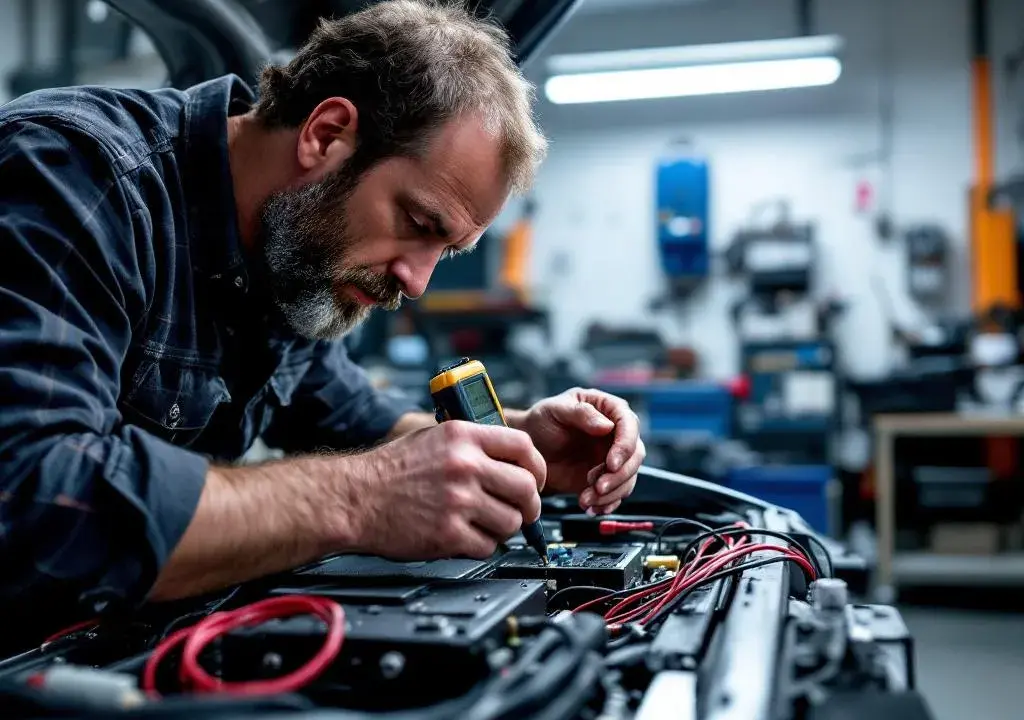
As someone who spends my days installing and tuning car audio around La Verne, I know how much owners value gear that sounds great and lasts. If you own a Mosconi system, you already have a fantastic foundation — but even top-tier electronics need deliberate care to perform consistently in our Southern California climate.
Mosconi system basics for La Verne drivers
Understanding the core components of your Mosconi setup makes routine maintenance intuitive. These units are engineered for precision power delivery and clean signal processing, so keeping connections tight, power and ground runs clean, and heat managed will protect both performance and longevity. I often explain to customers that small habits — like checking wiring routing after a recent trunk modification or verifying that RCA cables aren’t rubbing against metal — pay off over years of enjoyment.
Protecting electronics from heat and moisture
La Verne summers bring heat that can stress amplifiers and processors. Even though Mosconi gear is robust, I recommend mounting amplifiers where air circulation is available and avoiding enclosed, unventilated cavities. If your vehicle is parked on hot days, try to allow some airflow to cool components before powering heavy audio sessions. Moisture is less frequent here than in coastal areas, yet occasional storms or high-humidity mornings can create condensation. Using dielectric grease on exposed terminals and ensuring enclosures seal properly helps prevent corrosion that silently degrades performance.
Power and ground: the heart of reliable sound
A steady power supply and a solid ground are essential for keeping a Mosconi system clean and noise-free. In my shop I check for voltage drop under load, confirm that battery terminals are clean, and ensure ground points are anchored to bare metal. If you’ve added other accessories since the initial install, it’s worth revisiting the electrical system to make sure the Mosconi units aren’t sharing a marginal ground with devices that introduce noise. Regularly inspecting fuses and wiring insulation keeps surprises to a minimum.
Routine inspections and simple fixes you can do at home
A few quick checks every few months will save you time and headaches. Gently wiggle connectors to detect looseness, look for frayed wires where cables pass through panels, and confirm that any remote turn-on leads are secure. If you notice intermittent sound or a hum, isolate components by powering them on one by one; the culprit is often an aftermarket addition or a ground loop. When in doubt, bring your vehicle in — sometimes the right troubleshooting tools and experience make a difference that a homeowner can’t easily replicate.
Tuning, firmware, and staying current
One of the advantages of Mosconi processors is their flexibility and software support. Periodically checking for firmware updates or recalibrating the DSP can keep the system sounding its best, especially after changes like new speakers or head units. I work with customers to import profiles or make subtle EQ adjustments that respect the vehicle’s acoustics while preserving the design goals of the Mosconi hardware. If you enjoy tinkering, keep a backup of any custom presets before making big changes.
When professional service is the right choice
There are moments when a local expert’s hands and diagnostic gear are the fastest route to a reliable result. Strange noises, unexpected shutdowns, or a system that trips protection circuits are signals to bring it in for evaluation. In my experience, many common issues stem from improper mounting, marginal power connections, or interference from other electronics — all things we can identify and correct during a thorough inspection. If your Mosconi unit shows any warning indicators, don’t ignore them; early attention prevents component stress and costly follow-ups.
FAQ
Q: How often should I check my Mosconi connections? A: I advise a quick visual and tactile inspection every three to six months, and a more detailed check if you notice audio issues or after any trunk or interior work.
Q: Can firmware updates change my sound? A: Yes, firmware updates can refine processing and add features. Back up your current settings and consult the update notes; if you prefer, have a technician apply updates and verify presets.
Q: My system hums intermittently — what should I look for? A: Hums often indicate a grounding issue or a shared ground with another accessory. Check grounds, separate signal and power runs, and ensure RCA cables aren’t routed alongside power cables.
Q: Is it safe to mount an amplifier in a tight trunk space? A: Tight spaces can trap heat and shorten component life. If mounting in a trunk is necessary, allow for ventilation and avoid direct contact with conductive surfaces that could compress cooling paths.
Q: Can I tune my Mosconi unit myself? A: Basic tuning is possible if you’re comfortable with software interfaces and measurements, but complex time alignment and advanced DSP work benefit from an experienced technician and measurement tools.
If you own a Mosconi setup and want a hands-on check or a professional tune tailored to La Verne driving conditions, I’m here to help. Bring your car by for a complimentary conversation and we’ll map a care plan that keeps your system sounding its best. Visit Mosconi tips and resources, and then drop by so we can evaluate your rig in person.
Ready to give your Mosconi system the local expert attention it deserves? Come find us and let’s walk through a detailed inspection, thermal check, and tuning session designed specifically for La Verne roads and listening preferences. Explore more about Mosconi products and bring your vehicle in — we’ll make sure it performs reliably and musically.
Audio Dreams
1175 Foothill Blvd, La Verne, CA 91750, United States
Phone: +1 (909) 593-3335