

Mosconi Maintenance Best Practices For Car Audio In La Verne California
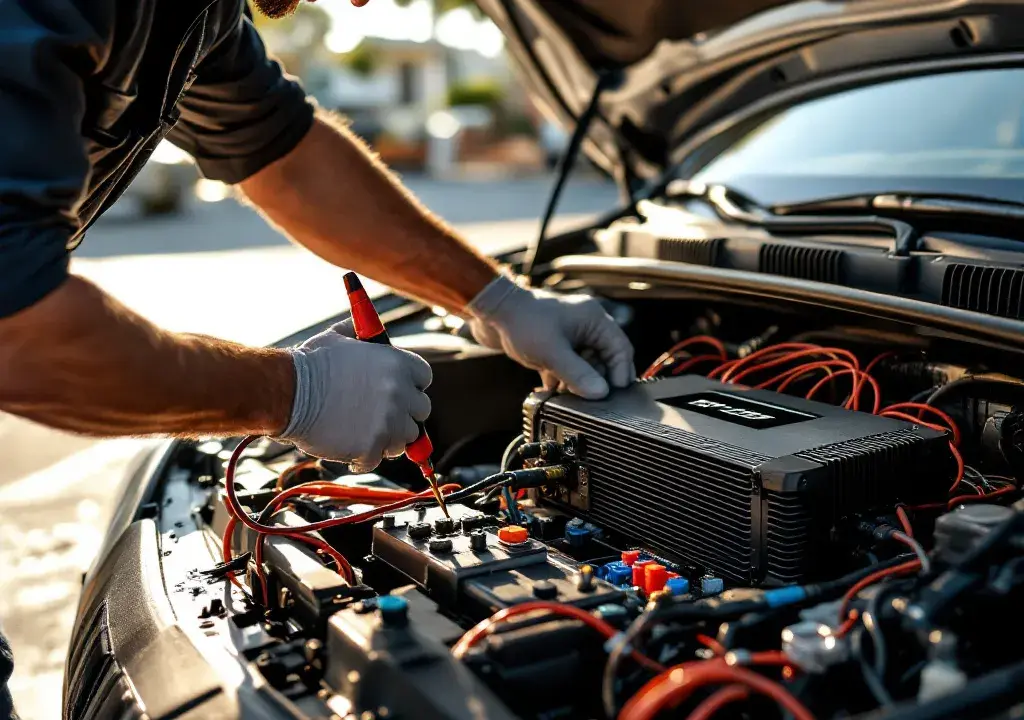
As a La Verne car audio installer who spends time tuning systems along Foothill Boulevard, I know that attention to detail separates a good stereo from a great one. When properly maintained, high-end electronics stay reliable and musical for years. For many of my clients the word that comes up is Mosconi, and that recognition matters: their processors and amplifiers reward careful care with consistent performance even in Southern California heat.
Why Mosconi gear benefits from routine maintenance
Mosconi components are engineered with precision digital electronics and sensitive analog stages. That combination gives amazing sonic control, but it also means small issues — a corroded terminal, a loose ground, or a drifting setting — can be audible. In La Verne, where summer heat and coastal humidity can stress wiring and connectors, a periodic system check helps protect the investments you’ve made in sound. Regular tuning keeps DSP settings aligned to cabin acoustics and ensures amplifiers run cool and stable.
Understanding environmental effects and practical checks
Cars here face temperature swings from cool mornings to hot afternoons. Heat can accelerate aging of insulation, cause solder joints to expand and contract, and concentrate dust in ventilation areas. I advise owners to visually inspect amplifier mounting, wiring looms, and fuse holders every few months. Tighten accessible terminals, look for discoloration around RCA connectors, and verify that cooling pathways are unobstructed. These simple actions prevent many failure modes and preserve the nuanced high-frequency and midrange detail that Mosconi systems are known for.
Electrical integrity: what to test and why it matters
Electrical cleanliness is a priority. Ground loops, poor chassis grounds, or alternator noise can mar otherwise transparent systems. Use a reliable multimeter to confirm steady battery voltage and check voltage under load. Inspect speaker leads for frays and ensure RCA cables remain snug and shielded from power wires. For anyone uncertain about wiring best practices, factory training and documentation are helpful — the manufacturer site is a useful reference and I sometimes point fellow enthusiasts to Mosconi resources for clarity on installation diagrams and firmware notes.
Firmware, DSP tuning, and backup strategies
Digital platforms like Mosconi’s DSP allow deep customization, but settings can be lost with battery swaps or after certain electrical events. Make it a habit to back up your DSP maps after every significant tune and before any major vehicle work. When a system starts to sound different, compare current maps to a saved baseline to isolate whether the issue is mechanical, electrical, or simply a need for recalibration. Periodic firmware checks also ensure you benefit from manufacturer improvements to stability and features.
Heat management and amplifier placement
Amplifiers produce heat and need ventilation. In cramped OEM cavities or behind seats, heat build-up reduces reliability. If you hear thermal protection cycling or notice altered dynamics during long drives, inspect the amplifier’s location and airflow. Mounting on metal with secure clearance and avoiding sealed enclosures will prolong component life. In La Verne’s summer climate this is especially important when vehicles sit in direct sun for extended periods.
Routine listening and diagnostic habits to adopt
Train your ears: listening regularly at a variety of volumes reveals gradual changes before they become failures. Pay attention to unexpected distortion, channel imbalance, or loss of detail. Combine listening with systematic checks: confirm channel balance via a test tone, check for intermittent wiring by wiggling connections gently while observing behavior, and document any recurring symptoms. Keeping a simple maintenance log in your phone helps technicians reproduce problems and accelerates repairs.
Working with professionals in La Verne
Complex DSP tuning and sensitive amplifier servicing often benefit from experienced hands. A local shop familiar with high-end brands can diagnose subtle issues faster and tune systems to the unique acoustics of your car. Tell your installer about previous maps, any recent electrical work, and whether you’ve noticed a change after battery service. If you prefer a DIY approach, still consult the service manual and back up settings before making changes.
FAQ
How often should I service a Mosconi amplifier?
Inspect wiring and mounting every three to six months and perform a full diagnostic and tune annually, or sooner if you notice noise, heat cycling, or loss of detail.
Can firmware updates change my sound?
Yes. Firmware updates can improve stability and add features, but they may also alter default DSP behaviors. Always back up your custom maps before updating so you can restore your preferred sound if needed.
Is it safe to install amplifiers in tight spaces?
It’s possible, but you must ensure adequate ventilation and secure mounting. Avoid sealed compartments that trap heat and place sensitive electronics near large heat sources.
What should I tell a technician when something sounds off?
Describe the symptom, when it occurs, and whether it’s tied to engine speed or electrical events. Provide any recent service history, battery changes, or map backups to speed diagnosis.
If you want your Mosconi-equipped system cared for with local expertise, we provide hands-on inspections, map backups, and professional tuning to keep dynamics and clarity intact. Bring your vehicle by for a friendly diagnostic and we’ll walk you through any recommended maintenance, referencing official resources when helpful, including manufacturer notes from Mosconi. Our approach is practical, transparent, and focused on preserving the sound you love.
Audio Dreams
1175 Foothill Blvd, La Verne, CA 91750, United States
Phone: +1 (909) 593-3335