

Diagnosing Mosconi Common Issues In La Verne California Car Systems
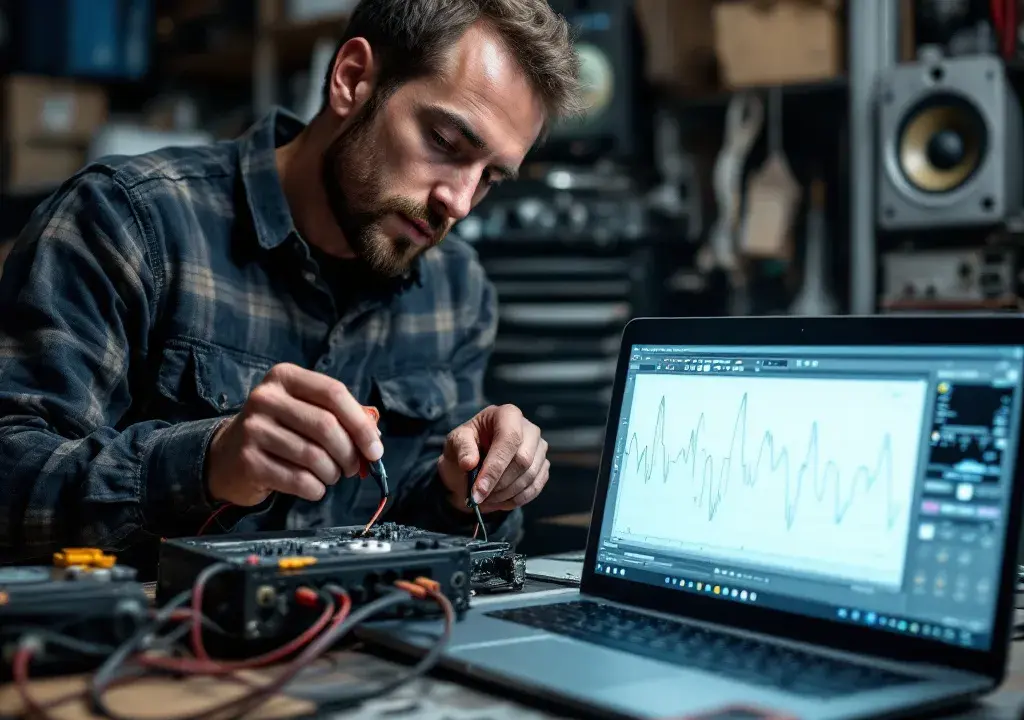
As someone who’s spent years tuning and repairing car audio systems around La Verne, I see the same patterns return whenever a customer brings in a high-performance amplifier or digital signal processor. If your vehicle’s sound has become inconsistent, noisy, or suddenly lost clarity, there’s a good chance the culprit traces back to a Mosconi component — and understanding where to look can save time and protect your speakers. I often recommend owners check a few simple things before assuming a complete replacement is necessary, and if you want certified support you can start by reading about Mosconi products and how we approach diagnostics in our shop.
Why Mosconi units matter and what makes them different
Mosconi components are engineered for precision. They offer advanced DSP features, compact designs, and high-efficiency outputs that appeal to enthusiasts and installers alike. That precision is also why troubleshooting Mosconi gear requires a methodical approach: the same sensitivity that gives them superior sound makes them more likely to reveal configuration or connectivity issues that cheaper gear hides. In La Verne’s varied driving and temperature conditions, small wiring problems, improper grounding, or incorrect gain settings become very noticeable with Mosconi gear.
Common electrical and connection problems
Most of the failures I diagnose begin with power and ground. A corroded lug, a shared ground with noisy electronics, or undersized power cables can introduce hum, intermittent output, or thermal shutdowns. Another frequent issue is the remote turn-on signal; if it’s inconsistent it can cause the amp to power cycle unexpectedly. I always trace the power path from the battery to the amplifier, test voltage under load, and inspect connectors for wear. When a Mosconi unit behaves erratically, confirming solid, clean power and a dedicated ground often resolves the problem before opening the case.
Firmware, configuration, and DSP-related causes
Mosconi processors are powerful because of their DSP features, but that complexity can also introduce mistakes. Incorrect filter setups, phase alignment errors, or an outdated firmware revision can produce gaps in frequency response or timing anomalies between speakers. I recommend checking the device’s firmware version and saving a known-good configuration before making sweeping changes. When customers bring in cars that have been tuned by DIYers or multiple shops, the first thing I do is load a baseline configuration known to be stable, then make small adjustments while listening and measuring in real time.
Thermal and mechanical issues unique to our climate
La Verne’s warm conditions and weekend drives through the foothills can highlight thermal weaknesses in under-dash or trunk-mounted installations. Mosconi units are compact, so they need proper ventilation and mounting to avoid heat soak. I frequently find amps tucked into tight cavities where airflow is restricted, or mounted over warm wiring harnesses which accelerates heat issues. Re-locating the unit, adding clearance, or improving cable routing often stops thermal protection from tripping and prevents long-term stress to internal components.
Troubleshooting workflow I use in the shop
My diagnostic process is straightforward and repeatable, which helps when customers want transparent results. I start with a visual inspection, then verify voltage and ground integrity, confirm correct input signals and remote turn-on behavior, and scan for firmware or configuration anomalies. If hardware problems are suspected, I inspect for swollen capacitors, heat discoloration, or loose connectors. For Mosconi-specific issues I rely on their documentation and factory presets as reference points. This layered approach minimizes guesswork and keeps repairs focused and effective.
Mid-installation adjustments and tuning tips
Once the hardware is proven sound, tuning is where most systems either come alive or fall flat. Small changes to crossover slopes, equalization, and time/alignment settings can transform the listening experience. I teach clients to listen critically at normal driving volumes, and to test with familiar tracks to judge tonal balance. When a vehicle leaves my bay balanced and noise-free, it’s usually because we addressed both the physical and the DSP sides of the system rather than rushing a single pass at setup. If you’re working on a MOSCONI installation at home, be sure to reference the manufacturer’s recommended grounding and layout practices and use proper measurement tools to validate adjustments.
FAQ
Q: How do I know if my Mosconi device is the problem or something else in the car? A: Start by isolating power and ground, then test inputs and outputs with a known-good source. If the unit powers up and responds to configuration software but still behaves oddly, it may be internal. Bringing it into a shop with diagnostic tools speeds this up.
Q: Can firmware updates fix strange audio behavior? A: Yes, firmware can address bugs, improve compatibility, and restore lost functionality. Always back up settings before updating and, when possible, use the manufacturer’s update tool to avoid corrupt configurations.
Q: Is overheating a common cause of failures? A: It is. Poor ventilation and tight mounting locations lead to repeated thermal cycling, which shortens component life. Proper mounting and routing will drastically reduce these risks.
Q: Should I attempt repairs myself? A: Basic checks like inspecting wiring, testing voltage, or reloading a factory preset are reasonable DIY steps. Internal repairs or component-level work should be handled by trained technicians to avoid voiding warranties or causing further damage.
If you’re in La Verne and want a careful, experience-driven inspection of your Mosconi system, bring your vehicle in and we’ll walk through the findings together. We’ll verify power and connections, confirm firmware and DSP settings, and provide clear options for repair or tuning with your listening goals in mind. Visit our Mosconi resources or book an evaluation to get started: Mosconi.
For hands-on diagnostics from technicians who know our local roads and driving habits, trust a team that treats audio systems like the precision tools they are. We will listen with you, explain the issues in plain terms, and restore the clarity your system is capable of. Learn more about our process and set up an appointment now by checking our Mosconi guidance and calling in — we’ll help you get the best performance from your system: Mosconi.
Audio Dreams
1175 Foothill Blvd, La Verne, CA 91750, United States
Phone: +1 (909) 593-3335