

Mosconi Maintenance Tips for Reliability in La Verne California
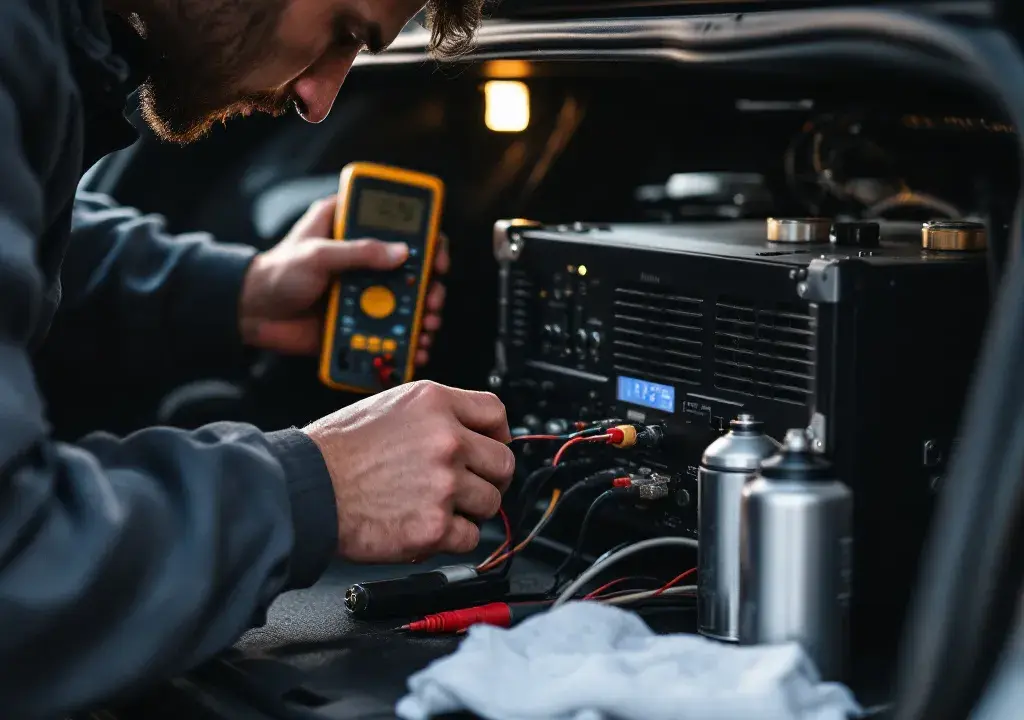
As someone who has installed and serviced countless car audio systems around La Verne, I’ve learned that a great amplifier needs attention to stay great. If you own a Mosconi unit, you’re already ahead on sound quality, but a few simple maintenance habits will keep that clarity and reliability for years. In this piece I’ll walk you through practical, locally-minded care tips that fit the climate and driving patterns we see here in the Pomona Valley.
Why routine care matters for La Verne drivers
Many people think a quality amp is a set-and-forget component, but the combination of heat, dust from backroads, and frequent short trips can stress electronics. Regular checks prevent small issues from becoming failures and keep performance consistent. By integrating a few quick inspections into your vehicle care routine, you can avoid frustrating cutouts, noisy channels, or worse — a damaged speaker from an improperly operating amplifier. I approach maintenance like preventive medicine: a bit of effort now saves downtime and preserves sound quality.
Mosconi-specific maintenance basics
When working on any Mosconi amplifier I look first at mounting, wiring, and ventilation. Proper mounting reduces vibration that loosens terminals, and clean, tight wiring prevents intermittent connections. Ventilation is critical — Mosconi units are designed to run cool, but they need airflow. Keep the amplifier away from obstructive trim, and when space is tight consider relocating it to a better-ventilated spot. For a visual reference and model-specific advice I often point customers to the manufacturer information and support resources like Mosconi, which clarify cooling and installation nuances for each model.
Electrical checks and fuse care
Voltage stability is the heart of amplifier longevity. In La Verne’s stop-and-go traffic and with many drivers using multiple electrical accessories, keeping your battery and charging system healthy makes a big difference. Start every few months by checking battery terminals for corrosion, ensuring ground connections are secure, and confirming the alternator charging voltage is steady. Inspect fuses and distribution blocks for heat discoloration or loose fittings; replacing a suspect fuse or tightening a lug can prevent a sudden loss of power. I recommend carrying basic tools so you can address minor issues before they cause harm.
Environmental protection: dust, moisture, and heat
Our local environment can be kind to cars on sunny days but harsh to electronics over time. Dust from nearby trails and humidity on cooler nights can creep into enclosures. Use enclosed, ventilated mounting strategies and avoid placing the amp directly on carpeted surfaces where fibers hold dust and moisture. If you’ve had water intrusion into a trunk or cargo area, inspect the amplifier and connectors promptly. I’ve seen amps survive decades when owners took simple steps like sealing trunk drains and using ventilated protective covers during off-roading.
Connections, gains, and tuning checks
A routine monthly glance at speaker and RCA connections saves headaches. Loose speaker leads can cause distortion and heat, and poor RCA connections can introduce noise into the system. Verify that gain and crossover settings remain where you left them and look for any sudden changes in sound that could indicate a failing channel. For owners who drive frequently around town or enjoy spirited audio sessions, a short listening check after a long trip is a great habit — it helps catch issues while they’re still simple to correct.
When to bring it to a pro
Some maintenance is perfectly safe to do at home, but when you encounter persistent distortion, intermittent shutdowns, or unexplained power draws, it’s time for a professional diagnosis. Here in La Verne I handle many cases where a wiring fault or marginal alternator load presented as amplifier trouble. An experienced installer will test system current, verify grounding integrity, and use proper diagnostic tools to find issues that aren’t visible to the naked eye. Early professional intervention usually keeps repair time short and preserves components.
FAQ
Q: How often should I inspect my amplifier for physical issues?
A: A quick visual check every month is a good rule of thumb, with a deeper electrical check every three to six months depending on usage.
Q: Can heat damage my Mosconi amplifier if it’s mounted in a tight space?
A: Yes. Excess heat shortens component life and can cause thermal shutdowns. Ensure airflow and avoid enclosed furniture-like compartments without ventilation.
Q: Are aftermarket protective covers or cases a good idea?
A: Protective covers can help keep dust off, but they should not block ventilation. Choose solutions designed for electronics that allow airflow.
Q: What signs point to a failing electrical system rather than the amp itself?
A: Flickering lights, inconsistent accessory power, or voltage readings out of typical ranges usually indicate charging or battery issues rather than the amplifier.
Keep your system sounding its best
If you want local, hands-on help keeping your Mosconi running reliably, drop by and we’ll walk through the system together. I can perform a careful inspection, test charging and grounding, and advise on mounting or ventilation improvements tailored to your vehicle and listening habits. For model-specific questions and installation insights I often recommend checking the official guidance at Mosconi, and when you’re ready bring your car in for a focused checkup — it’s the fastest way to preserve performance and avoid surprises on the road.
Audio Dreams
1175 Foothill Blvd, La Verne, CA 91750, United States
Phone: +1 (909) 593-3335