

Mosconi Environmental Impact and Recycling in La Verne California
As a La Verne installer who’s worked on hundreds of systems, I pay close attention to the components I recommend and the long-term environmental footprint they leave. Mosconi has become a name I mention often when customers ask about sound quality and durability, and I always point them toward Mosconi when they want gear that performs well and is backed by sensible manufacturing practices. In this article I’ll walk you through what those practices mean locally, how we handle recycling and disposal here in La Verne, and why thoughtful installation matters for the environment.
Mosconi Technologies and Environmental Responsibility
Mosconi’s reputation for efficient amplification and reduced heat loss translates into less wasted energy in a vehicle’s electrical system. When an amplifier runs cooler and more efficiently, it places a smaller drain on the alternator and battery, which indirectly reduces wear and tear and the frequency of replacements. From my perspective as a technician, recommending equipment that requires less maintenance and fewer replacements is one of the most direct ways to minimize environmental impact. I explain to customers that component longevity matters: longer life means fewer units headed toward electronic waste streams.
Materials, Manufacturing, and Local Recycling Options
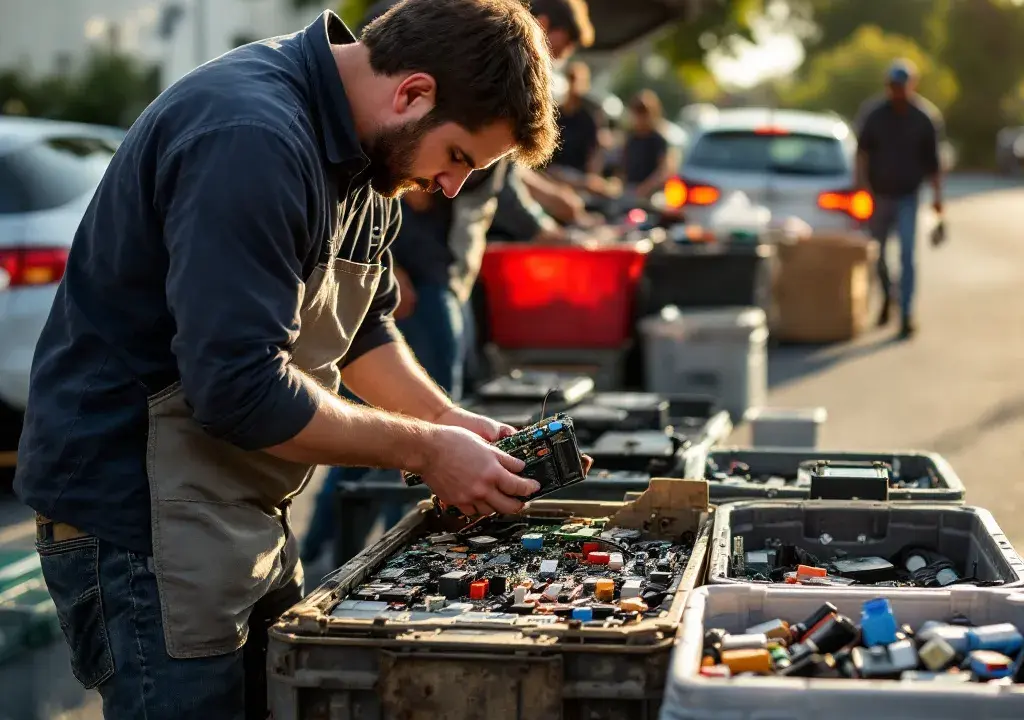
Understanding where electronics end up is crucial. Many high-quality manufacturers, including those that supply my shop, are shifting toward recyclable packaging and more traceable component sourcing. Locally, La Verne and Los Angeles County offer programs for e-waste collection and battery recycling that we coordinate with after a sensitive upgrade or when a customer’s old unit needs proper disposal. If a Mosconi unit is being retired, I make sure it’s handled responsibly—separating circuit boards, metal chassis, and plastic housings so each material can be routed to the right recycling stream.
Installation Best Practices to Reduce Waste
Good installation reduces the chance of damage and the need for early replacements. In my shop I emphasize proper grounding, correct gauge wiring, and secure mounting to prevent vibration-related failures—issues that are common in cars on Southern California roads. When customers bring in older gear, I often salvage reusable parts and advise on repairs that can extend the life of a system rather than replacing it outright. That practical, repair-first approach keeps more electronics in service and out of the landfill.
What Happens to Replaced Units in La Verne
When we remove a unit that’s beyond repair, I separate components that can be reclaimed. Capacitors, heat sinks, and metal housings often have recycling value, while certain circuit boards require specialized e-waste processing. Working with local recyclers and municipal programs, we ensure hazardous materials like solder and electrolytic fluids are handled correctly. I also counsel customers about trade-in and recycling options, and, when appropriate, we refer them to certified recyclers so materials are properly reclaimed. For further product specifics and manufacturer guidance I point customers to the official resource at Mosconi, where they can find documentation and support.
Design Choices That Matter for Sustainability
Design choices such as modularity, ease of repair, and energy efficiency are key when evaluating the environmental credentials of a product. I favor equipment that is serviceable and that uses standardized connectors and screws rather than proprietary fasteners. That reduces the time and materials necessary for repairs and makes it easier for technicians here in La Verne to maintain systems responsibly. Mosconi’s engineering approach often aligns with these priorities, which is why they are a common choice when customers ask for both performance and longevity.
Community Outreach and Responsible Disposal
Part of being a local installer is educating people about where their old electronics should go. Over the years I’ve partnered with neighborhood events and county drop-off programs to collect head units, amps, and batteries for proper recycling. Bringing awareness to these options helps prevent illegal dumping and encourages consumers to think about product life cycles. Small actions—like asking a trusted installer to manage disposal—make a tangible difference in community waste reduction.
FAQ
Q: Do Mosconi products require special recycling steps? A: Most Mosconi components are treated like other car audio electronics—metals, plastics, and electronic boards are separated and routed to the appropriate streams. Batteries and capacitors need careful handling.
Q: Can I repair my amplifier instead of recycling it? A: Often yes. If the issue is a failing capacitor, blown fuse, or connector problem, a qualified technician can often repair the unit and return it to service, which is the most sustainable choice.
Q: Where should I take old car audio gear in La Verne? A: Use county e-waste events or certified recyclers; many local installers also accept units and coordinate recycling on behalf of their customers.
Q: How does installation affect environmental impact? A: Proper installation minimizes vibration, overheating, and electrical stress, all of which extend component life and reduce the need for replacements.
If you’re weighing upgrade options or need help disposing of an old system, I can guide you through choices that balance performance and sustainability. I regularly specify gear that lasts and advise on repair-first strategies to keep electronics in service as long as possible. To learn more about specific models and manufacturer guidance, check the detailed resources available through Mosconi, and feel free to reach out for a hands-on assessment of your vehicle and system.
Audio Dreams
1175 Foothill Blvd, La Verne, CA 91750, United States
Phone: +1 (909) 593-3335