

Diagnosing Mosconi Common Issues in La Verne California Vehicles
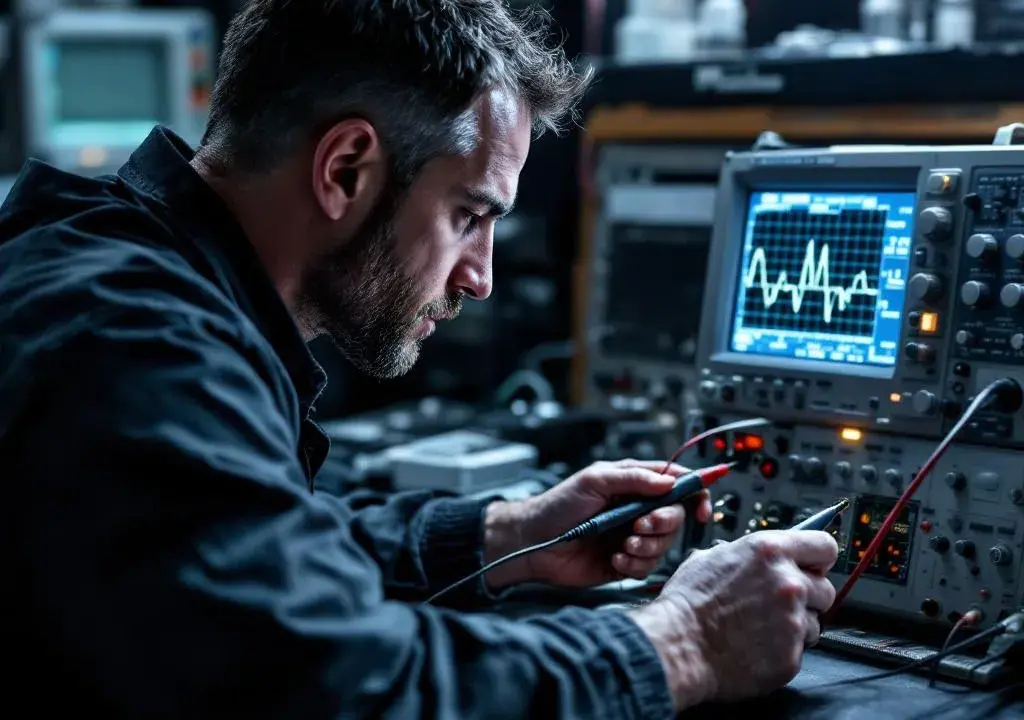
As a local car audio technician in La Verne, I see a steady stream of vehicles with high-end systems that don’t perform the way they should. Often the culprit is a component many enthusiasts respect for clean power delivery and precise control: Mosconi. Whether someone hears intermittent noise, distorted bass, or a unit that simply won’t power up, the same careful diagnostic approach helps me find the root cause quickly and get systems sounding as intended.
Why Mosconi equipment behaves differently and what to look for
Mosconi gear has a distinct architecture compared to many mass-market amplifiers and processors, with tightly integrated DSP, protection circuits, and multi-rail power designs. That means symptoms can point to electrical, configuration, or software issues rather than simple speaker faults. When I first inspect a vehicle, I look for loose connections, grounding problems, and evidence of past installations that may have altered the factory electrical paths. A bad ground or an undersized power cable will show up as noise or power cycling long before the amplifier itself is at fault.
Common electrical and installation-related failures
Electromechanical wear, corrosion, and vibration in daily-driven California cars can degrade connectors, fuses, and terminals. On Mosconi amplifiers, a corroded terminal can cause the unit to enter a protection state intermittently, which customers describe as the system “turning off and on.” I also examine battery health and alternator output because voltage instability can trigger protection modes. Properly routing power and signal cables away from interference sources and ensuring a solid chassis ground are small steps that prevent many headaches.
Troubleshooting DSP and configuration issues with Mosconi
The DSP features in Mosconi products give installers powerful control but they can also introduce problems when settings are incorrect. Misconfigured crossovers, gain staging errors, or an incorrect time alignment profile can make a perfectly good system sound harsh, hollow, or imbalanced. I always load a known-good preset or factory profile early in the diagnosis to determine whether the root cause is software-based or hardware. When software is at fault, a controlled firmware update or a calibrated reset is often all that’s needed.
Signs of amplifier hardware problems and when to replace components
When diagnostics point to hardware, the common signs include persistent thermal shutdowns, audible relay clicks, or a burnt-odour from the amp chassis. With Mosconi units, we test internal rails and protection circuits carefully because these models have sophisticated internal monitoring. Sometimes a failing capacitor or a damaged MOSFET is the issue, and skilled bench repairs can restore function. Other times, damage from sustained overheating or water intrusion calls for replacement of the unit to protect expensive speakers and processors downstream.
Customer communication and preserving audio performance
Explaining technical findings in plain language helps vehicle owners understand why a particular fix is recommended. I document what I test and why, describing how a new ground point or a revised DSP setting will change the listening experience. For many clients in La Verne, preserving the tonal balance and headroom of their Mosconi-driven system is the priority, so I focus on high-quality connections and conservative gain structure to ensure longevity.
Mid-article troubleshooting example
Recently, I worked on a sedan whose owner reported a sudden loss of bass and a faint ticking through the speakers. After ruling out speaker damage, I traced the issue to a failing remote turn-on signal and an intermittent ground at the subwoofer amp. During the process I rechecked firmware compatibility and factory presets on the processor, and I referenced manufacturer guidance on protection behavior for Mosconi components to confirm my approach. The solution involved securing the ground, cleaning the connectors, and restoring a stable remote turn-on, which brought the system back to life without replacing the amplifier.
Preventive maintenance and best practices
For long-term reliability I recommend periodic inspections of mounting hardware and power distribution points, especially in regions where temperature swings and coastal air can accelerate corrosion. Keeping firmware up to date, verifying calibration files after any change, and maintaining a robust electrical foundation are simple habits that reduce the chance of unexpected failures. I also advise that installations using factory integrations be checked against known vehicle electrical behaviors to avoid surprises caused by alternator whine or CAN-bus interactions.
FAQ
Q: How do I know if my Mosconi amplifier is in protection mode?
A: Protection mode usually presents as sudden muting, a blinking status indicator, or repeated attempts to power up followed by shutdown. If you notice persistent clicks or the unit refuses to stay on, check wiring, fuses, and ground points first. If those are secure, bench testing the amp for internal rail faults is the next step.
Q: Can software updates fix erratic behavior in Mosconi products?
A: Yes. Firmware and DSP configuration issues can cause unusual audio artifacts or instability. Applying the manufacturer’s recommended firmware and restoring known-good presets often resolves software-related problems, but backup your configuration before making changes so any custom tuning can be reapplied safely.
Q: When should I bring my car to a professional versus attempting DIY fixes?
A: If the problem involves simple checks—loose cables, visible corrosion, or blown fuses—you can often perform basic maintenance. However, when symptoms point to internal amplifier faults, protection behavior, or complex DSP tuning, professional diagnostic equipment and experience are worth the trip. Complex repairs protect your investment in speakers and processors.
If you’re in La Verne and want a hands-on inspection or a careful calibration of your system, our shop can run a full diagnostic, test power delivery, and restore proper DSP settings for Mosconi units while keeping you informed throughout the process. We understand local driving conditions and how they affect audio installations, and we focus on durable, musician-quality results that you can enjoy every day.
Audio Dreams
1175 Foothill Blvd, La Verne, CA 91750, United States
Phone: +1 (909) 593-3335