

Focal Importance For High Fidelity Car Audio In La Verne California
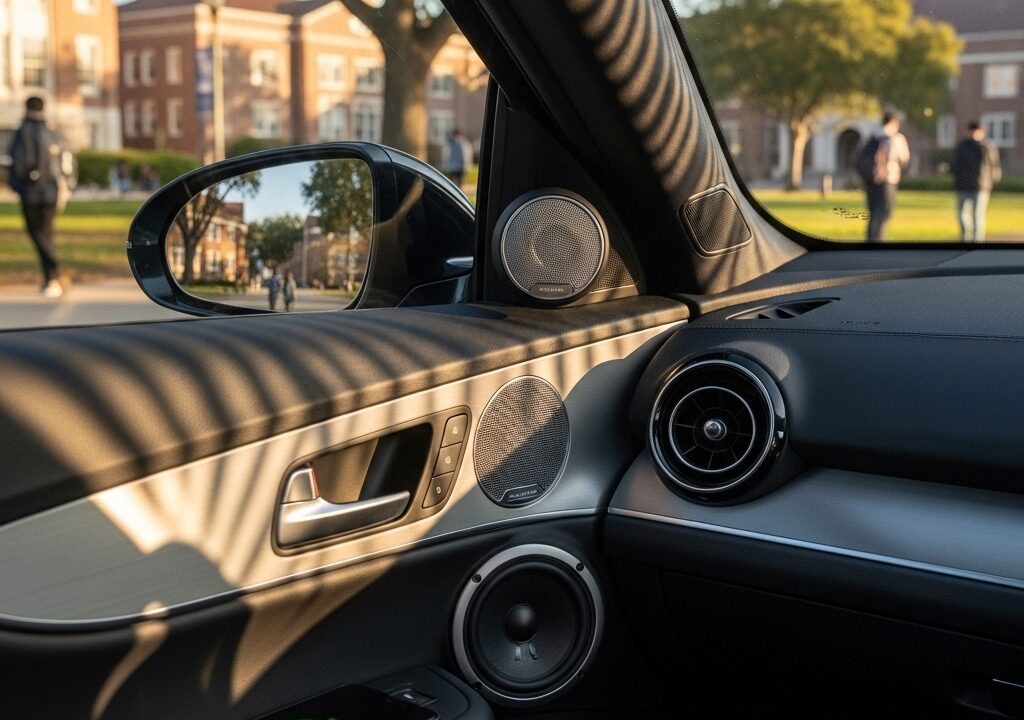
High-fidelity car audio is not a luxury for a select few; around La Verne, it is a way to bring calm, focus, and delight to the spaces between home, work, and weekend escapes. As you roll past the University of La Verne or trace the old Route 66 path along Foothill Boulevard, you notice that the city’s tempo shifts by the hour. Morning sunlight, afternoon traffic, and evening breezes all nudge the mood, and your sound system can either fight that mood or align with it. Focal has long occupied a distinctive place in the world of car audio because it prioritizes truthful reproduction without draining the life out of music. That balance is why high fidelity matters here. It is a promise that what you hear on White Avenue at dawn will feel as vivid and stable as it does when the 210 opens up on your way toward San Dimas. For anyone considering the next step, a thoughtfully designed system built on Focal mobile audio is a reliable route to that promise.
Talk to any La Verne local who loves music and they will tell you the same story: the car is where listening happens. You put on a favorite album as you pass Heritage Park. You tune in to a lecture podcast after a shift. You call a friend on the way to Marshall Canyon for a late walk. In all of those scenes, fidelity enhances understanding. Highs that are clear but controlled make cymbals shimmer without sting. Midrange that is full without bloat lets voices sound honest. Bass that is strong but tight translates rhythm into movement rather than mud. These things seem small until you remove them; then the drive feels flat and fatiguing, a collage of noise rather than a conversation with the music.
What “high fidelity” really means in a car
At home, fidelity has a room to itself. In a vehicle, it must contend with glass reflections, door panel resonance, and the constant grumble of tires on pavement. High fidelity is not about cranking treble and bass; it is about preserving relationships between sounds so your brain does less guesswork. The lead vocal should sit center and forward, guitars should occupy their lanes, and kick drums should punch without masking the bass guitar. Focal’s driver design—light yet rigid cones, refined suspensions, precise motor structures—aims to keep these relationships intact even in the dense acoustics of a cabin.
When fidelity is high, you perceive detail at modest volumes. That is a practical advantage on La Verne’s residential streets and campus corridors where you keep things respectful. You also gain headroom for freeway moments on the 57, when you need the system to remain composed above the noise floor. It is the union of microdetail and macrodynamics that makes a system feel complete.
Why La Verne’s soundscape demands more from your speakers
Local roads fluctuate between smooth and coarse surfaces, each introducing different noise patterns. Add the temperature swings and the occasional Santa Ana gust, and your cabin becomes a moving acoustic puzzle. Poorly built speakers age quickly in this environment; adhesives soften, surrounds fatigue, and your once-crisp sound turns fuzzy. Focal’s emphasis on material science—advanced cone materials and robust build quality—means consistency through seasons. The payoff is a system that sounds as confident in late summer heat in Old Town La Verne as it does on a cool winter evening cruising near the foothills.
There is also the matter of reflections. Windshields and side glass ricochet high frequencies in unpredictable ways. Keeping treble smooth and dispersion controlled is critical. Focal’s tweeter geometry creates a broad but even sound field that is far more forgiving of position, which helps when you are not seated dead center or when passengers hop in for a night at the Bowl or a quick coffee run on D Street.
The case for proper amplification and integration
High-fidelity reproduction is not just about speakers. You need clean power and effective integration to bring the best out of high-quality drivers. Many modern vehicles in La Verne run complex infotainment systems tied into factory controls, cameras, and safety functions. The smart move is to retain those conveniences while improving the signal path feeding your speakers. Quality integration provides a clean line-level signal; a dedicated amplifier supplies stable power. The result is graceful dynamics—no sudden hardness when you turn it up, no sagging bass at the chorus. Your volume knob becomes a precise tool rather than a rough lever.
Once you own that control, you play music differently. You do not race to hit a sweet spot; the system offers one at nearly every setting. Podcasts play with a sense of presence at low volumes around the University, while your Saturday playlist carries honest weight as you shift onto Foothill for a scenic glide toward Claremont.
Time alignment, equalization, and the pursuit of realism
In a car, you sit much closer to the left speaker than the right. Without time alignment, the image collapses toward the driver’s door. With it, the stage snaps center, the lead vocal appears just above your steering wheel, and instruments anchor in stable positions. Equalization trims the room modes imposed by the cabin, smoothing peaks and filling subtle dips. The goal is not a sterile measurement but a believable stage that remains consistent from track to track and day to day. Focal speakers respond gracefully to such tuning, revealing adjustments immediately without sounding etched or overprocessed.
Realism is a feeling more than a metric. You know it when piano keys carry proper weight and decay, when snare drums crack without brittle edges, and when a singer’s phrasing breathes in a way that feels human. On a clear evening cruise along Bonita Avenue, realism turns a simple drive into a small performance seat that follows you wherever you go.
Why neutrality is your friend
Neutral sound does not mean boring sound. It means the system stays out of the way. A neutral midrange preserves articulation; a controlled treble upholds sparkle; a disciplined low end moves with authority while maintaining pitch. Focal’s voicing leans toward this balance, which is why genre hopping is seamless. A playlist that goes from classic rock to modern pop to spoken word to jazz remains coherent. Each track retains its personality, and you never feel the need to tweak EQ every few songs. That matters on real-world drives, where attention belongs on the road and the flow of the trip, not constant tinkering.
Neutrality also pays dividends for shared listening. When you pick up friends for a late show at the Fox in Pomona, nobody is wincing at exaggerated highs or complaining about boomy bass. The cabin feels welcoming, the way a living room should, even though you are rolling past Citrus or winding up toward Wheeler Avenue.
The psychological benefits of better sound
There is a sharp edge to daily life. Traffic, schedules, and the constant drip of notifications can turn even the most beautiful La Verne afternoon into a blur. A high-fidelity system becomes a small refuge. It makes spoken word easy to follow without strain, which lowers stress. It lets you rediscover albums you loved, which lifts mood. It makes silence between notes feel intentional, a breathing space instead of a void. Over time, that consistency adds up. Your car becomes a place you look forward to—not just a means to get from the village to the trailhead, but a pair of familiar headphones you can sit inside.
People often underestimate the knock-on effects. When sound is clear, you keep volumes reasonable. When volumes are reasonable, conversations remain comfortable. When conversations are comfortable, you finish the drive calmer than you started. It is a quiet cycle that starts with fidelity and ends with a better day.
Local proof on roads you know
You can hear the difference on streets you drive every week. Roll down D Street with a well-mastered jazz track and you will detect the shimmer of ride cymbal without splash. Head toward San Dimas Canyon with a favorite indie album and you will feel how the bass line stays tuneful on uneven pavement. Merge onto the 210 and you will notice how vocals remain anchored, even as the cabin noise rises. These are not theoretical improvements. They are everyday confirmations that your system is working with the car rather than against it.
Midway through ownership comes the real test: the quiet commute at dusk. Streetlights blink on, the foothills darken, and you take the slower streets home past the University. If the sound remains coherent and pleasing at whisper levels, you have achieved true fidelity. Systems built on Focal mobile audio pass that test because they begin with disciplined drivers and end with careful tuning.
Longevity and the value of choosing well
Fidelity that lasts is the aim. Materials that resist UV, adhesives that hold through heat cycles, and voice coils that manage power without strain are part of that equation. So is a clean installation that respects factory wiring, seals, and panels. When done correctly, you do not chase rattles a month later, and you do not hear odd buzzes on certain notes. You simply enjoy the system as it settles into its own. La Verne’s seasons are gentle compared to harsher climates, but our mix of heat, dry air, and occasional wind can still separate the well-built from the merely adequate. Focal’s approach is to over-engineer the critical parts so the performance arc is long.
There is also the intangible value of confidence. When you know your system reveals the truth of the recording, you relax into it. You stop second-guessing whether the harshness is the song or the speaker. You stop chasing EQ fixes for problems that are really hardware limits. That clarity frees you to enjoy music again, which is the point of the whole exercise.
FAQ
Q: Is high-fidelity audio overkill for short La Verne drives?
A: Not at all. Short trips benefit most because you have no time to adjust. A faithful system sounds good immediately at any volume, which makes quick runs along Bonita or D Street more enjoyable and less tiring.
Q: Do I need to replace my head unit to achieve high fidelity?
A: In many newer vehicles, no. With quality integration and dedicated amplification, you can keep factory controls and still deliver a clean signal to premium speakers. This preserves convenience while unlocking performance.
Q: How much tuning is required to “get there”?
A: Initial tuning focuses on time alignment, crossover points, and gentle EQ. Once these are dialed, the system tends to remain stable. You might make small tweaks after a week of listening on familiar roads, but wholesale changes are uncommon.
Q: Will a subwoofer ruin neutrality?
A: A properly chosen and tuned subwoofer enhances neutrality by shifting heavy lifting away from door speakers. The key is integration—appropriate crossover points and level matching so bass supports the music without drawing attention.
Q: Is Focal a good match for mixed tastes?
A: Yes. Because Focal systems emphasize balance and low distortion, they adapt well to playlists that jump from podcasts to EDM to acoustic folk. The system presents each style honestly without making you reach for the controls.
Q: What about call quality and navigation prompts?
A: High-fidelity setups improve speech intelligibility, so calls sound more natural and navigation prompts cut through cabin noise without being sharp. That makes everyday driving smoother and communication clearer.
When you are ready to experience calm, clarity, and energy in equal measure, choose a path that respects your music and your time behind the wheel. Work with local experts who treat your vehicle like a listening room on wheels, ask your questions, and take a careful listen. High fidelity is a daily upgrade to your life in La Verne, not just a weekend thrill. Begin with components known for balance and longevity, and finish with a tune that suits your ear. If you are ready to make the leap, explore Focal mobile audio and imagine the difference the next time you turn onto Foothill with your favorite track cued up.