

Focal Maintenance Tips For Lasting Sound In La Verne California
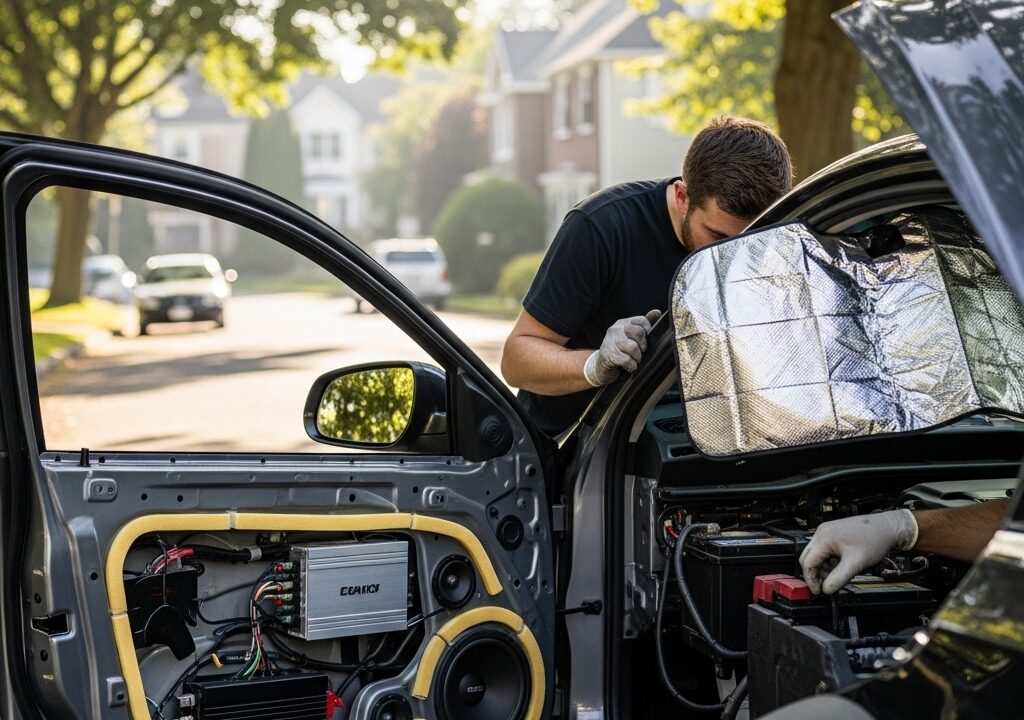
A car audio system that sounds great on day one should sound even better after months of living with it on La Verne’s streets. That is the promise of a well-installed setup, and Focal components are built to keep that promise. Still, even the finest gear benefits from thoughtful care. Our roads—Foothill Boulevard, Arrow Highway, the 210 and 57 corridors—combine smooth stretches with occasional rough patches, while the sun can be relentless through long afternoons near the foothills. With a handful of habits and seasonal checks, you can keep your system singing with the same clarity and punch you fell in love with. If you are just starting your upgrade journey or looking to revive a system that has lost its spark, these maintenance tips will help. For those planning ahead, selecting proven components like those found in Focal mobile audio ensures a stable foundation that rewards care over the long haul.
Protecting speakers from heat and vibration
La Verne enjoys plenty of sunshine, but sustained cabin temperatures can rise quickly when your car is parked near downtown or along Bonita Avenue. Heat accelerates wear on surrounds, adhesives, and wire insulation. While Focal drivers use materials that resist these forces, you can add margin by using sunshades, vented window covers in safe conditions, and shaded parking when possible. Over months and years, these small choices preserve compliance in surrounds and keep cone movement linear, which translates to the taut midbass and stable imaging you expect.
Vibration is the other persistent enemy. If you hear new buzzes or feel panels vibrating on certain notes as you cruise toward the 210, treat them promptly. A small patch of damping or a tightened fastener stops resonance from spreading and protects your investment. Think of vibration control as the oil change of audio—easy, routine, and powerful in its impact.
Cleaning without harming delicate materials
Dust and fingerprints migrate toward grilles and trim. Resist the urge to press hard on speaker covers; instead, use a gentle vacuum with a brush attachment or a can of compressed air from a safe distance. For tweeter areas, a soft artist’s brush works wonders. Avoid harsh cleaners near cones and surrounds; a barely damp microfiber cloth is sufficient for nearby trim. Keeping surfaces clean reduces the chance of debris slipping into gaps where it could buzz or scratch, and it keeps the cabin feeling fresh during those evening loops around the University of La Verne.
For amplifiers and DSP units, a quick visual check every few months is wise. Ensure ventilation paths are clear, wiring is not crimped under cargo, and mounting hardware remains snug. La Verne errands can see groceries and sports gear shifting around; a simple cargo organizer protects both your equipment and your patience.
Seasonal audio checkups you can hear
Twice a year, set aside a few tracks you know intimately and take a slow drive along familiar roads—Foothill for steady cruise, Bonita for lower speeds, and a brief 57 on-ramp for elevated noise. Listen for changes: has the center image drifted, do cymbals sound hashy, does bass feel slower or boomier than before? Small deviations are normal as materials settle and the cabin ages. Most can be corrected with a quick tune-up: recheck time alignment, verify crossover points, and apply gentle EQ to tame new peaks.
Keep a note on your phone with baseline impressions from the day your system was tuned: the volume number that feels right, a short list of test tracks, and comments on imaging and bass behavior. Comparing against that baseline is more reliable than trusting memory after months of driving to Heritage Park, weekend grocery runs, and campus pickups.
Battery health and clean power
A healthy electrical system supports consistent sound. If cranking the engine dims the lights or your system seems less lively after long idle sessions with the stereo on, consider a battery and charging system check. Loose grounds, corroded terminals, or a tired battery introduce noise and reduce headroom. A clean power path lets Focal amplifiers and speakers operate in their intended range, so crescendos stay smooth on your next glide down D Street at dusk.
Pay attention to fuse condition and placement. Fuses should be secure, appropriately rated, and protected from moisture. If you discover oxidation on fuse holders, clean and, if necessary, replace them. Good electrical hygiene is invisible when it works and painfully obvious when it does not.
Software updates and tune backups
If your system includes DSP or a modern head unit, keep firmware current. Updates often improve stability, compatibility, and sometimes even sound quality. More importantly, back up your tune files. Store a copy on your phone or cloud so you can restore a known-good configuration if something gets reset during service or after a battery swap. The peace of mind is worth the few minutes it takes, especially when your week already includes early commutes and afternoon loops past the foothills.
Backups also invite experimentation. Knowing you can return to a baseline frees you to try subtle adjustments—perhaps nudging the sub crossover a touch or easing a small peak in the upper midrange that appears at certain volumes. Fine-tuning is not a chore; it is part of ownership, like adjusting mirrors to fit you perfectly.
Preserving seals and mounts
Great sound depends on mechanical integrity. Door seals and speaker gaskets keep the front and rear waves from interfering, and they prevent water intrusion that can degrade performance. If you remove door panels for any reason, inspect seals and replace tired clips. A snug, rattle-free door translates to firmer midbass and cleaner vocals, which you will notice the next time a favorite track settles into its groove as you head toward San Dimas Canyon.
Do the same for sub enclosures. Ensure screws are tight, terminals are sealed, and any pass-throughs are properly grommeted. Over time, small air leaks soften the bass and shift the tuning. A few minutes with a screwdriver and flashlight keep the foundation of the system intact.
Mindful volume habits and content choices
It is tempting to equate fun with loud, especially when the 210 opens up and the San Gabriels stretch along your line of sight. But longevity is about moderation. High-quality components like Focal’s can play loudly without strain, yet your ears and the cabin still appreciate restraint. If you find yourself cranking volume to overcome noise, consider targeted damping or small tuning changes rather than simply pushing harder. A system that sounds balanced at lower volumes feels luxurious in daily life, and it invites you to listen longer with less fatigue.
Also consider source quality. Compressed streams will always have limits, and blasting them only emphasizes rough edges. Your system is revealing; feed it well when you can. Keep a small playlist of good recordings for those mellow evening drives on Bonita Avenue and enjoy how the system opens up.
Post-service sanity checks
After any service—tire rotations, windshield replacement, interior detailing—give your audio a quick once-over. Panels can be reinstalled slightly off, clips can rattle, and wiring can be nudged. A few minutes spent listening and lightly pressing around door cards or the dash can detect new noise. Address changes quickly and you prevent small annoyances from becoming daily companions on your route past the University or through Old Town.
If a shop disconnected the battery, confirm your tune is loaded and that balance, fader, and EQ settings match your baseline. It is easier to fix these at the curb than after three days of wondering why the stage feels crooked.
When to seek professional retuning
Even with attentive care, the sonic picture can drift slightly over time. Materials settle, your seating position changes with a new cushion or seat cover, and your taste evolves. A professional retune once in a while brings everything back into focus. The process should include measurement, critical listening on roads you actually drive, and small mechanical checks for seals and mounts. You will know it is time when you catch yourself fiddling with settings more than enjoying music on your way to Heritage Park or the grocery store.
Retuning is also an opportunity to learn. Ask to sit in the car during parts of the process and hear how time alignment clicks into place or how a tiny EQ dip smooths a stubborn resonance. The knowledge you gain will make your maintenance routine more confident and efficient.
FAQ
Q: How often should I check my system?
A: A quick visual and listening check every month keeps small issues from becoming big ones. Twice a year, do a more focused session with reference tracks on familiar roads to compare against your baseline impressions.
Q: Do I need special cleaners for speaker grilles?
A: No. A soft brush and light vacuum are usually enough. Avoid harsh chemicals near cones and surrounds. For trim, use a mild interior cleaner applied to a cloth—not directly onto the surfaces near drivers.
Q: My system sounds dull after a hot day. Is something wrong?
A: Heat can temporarily change how materials behave, and a tired battery or stressed amplifier can contribute. Let the cabin cool, check ventilation, and verify power connections. If dullness persists, schedule a brief tune review.
Q: Can I improve longevity without adding new gear?
A: Yes. Better damping, secure mounts, careful cleaning, and regular tune backups go a long way. These steps protect components you already own and often yield audible gains.
Q: Are firmware updates risky for my tune?
A: Back up your current configuration before any update. That way, you can revert if needed. Most updates improve stability, and having a backup ensures peace of mind.
Q: Do Focal speakers need a long break-in?
A: They settle slightly over the first few weeks of regular listening. You may notice bass becoming a touch fuller and mids relaxing. This is normal and part of why a follow-up tune can be satisfying.
Great sound that lasts in La Verne is a partnership between solid engineering and everyday care. Protect against heat, tame vibration, keep your power path clean, and treat tuning as a living document rather than a one-time event. When you do, your car becomes a faithful companion—clear in the morning, composed at midday, and inviting at night. If you are ready to start with components that reward careful maintenance and sound beautiful for years, explore Focal mobile audio and envision your favorite album unfolding as you turn onto Foothill, note by effortless note.