

Mosconi Inspection Standards for La Verne California Installations
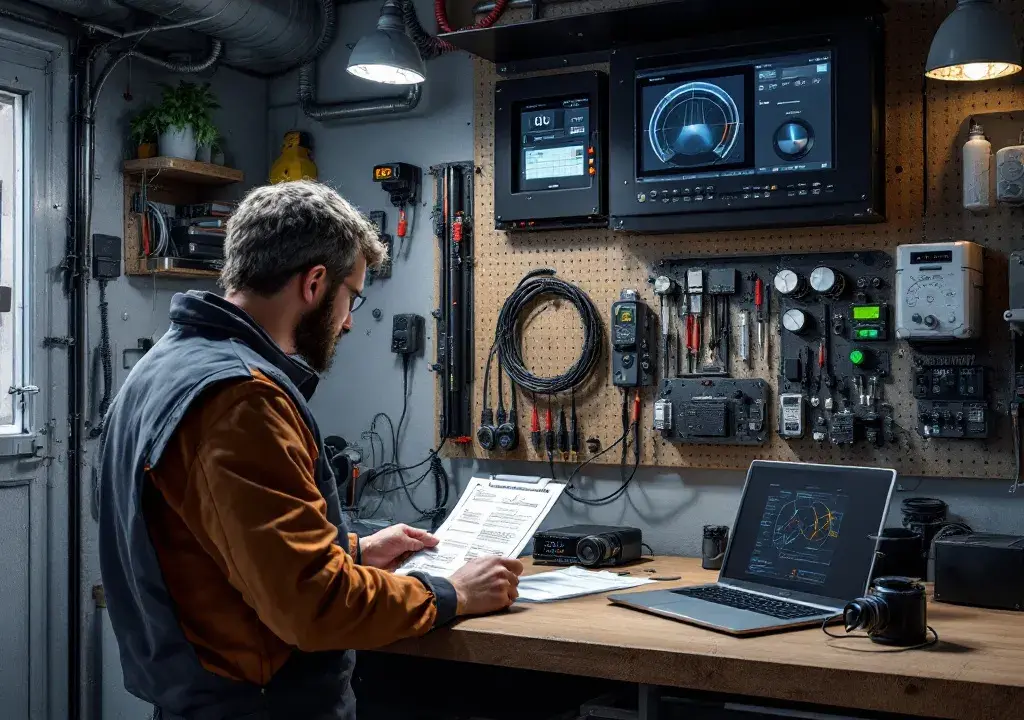
As someone who has spent years tuning and installing car audio systems around La Verne, I know the difference that attention to inspection standards can make. When a project specifies a Mosconi component, the expectations for wiring, grounding, firmware, and acoustic performance rise — and rightly so. Early in the process I always point clients to Mosconi as the benchmark manufacturer standards we follow, because their engineering demands a careful, methodical approach to installation and inspection.
Why Mosconi standards matter for La Verne installations
California streets and the Southern California climate create conditions that emphasize longevity and reliability. Mosconi designs amplifiers and processors with precise tolerances, and those tolerances translate to specific needs during inspection: proper power delivery, stable ground paths, and clean signal routing. As a local installer, I evaluate each vehicle as a system rather than a collection of parts, and Mosconi components often reveal weaknesses in everything from battery health to chassis grounding. Addressing those issues up front prevents problems that would otherwise appear after a few months of use.
Mosconi inspection criteria explained
When I perform an inspection for a Mosconi-equipped installation, I start with the electrical foundation. Solid connections at the battery, fuse placement, and harness routing reduce resistance and protect sensitive circuitry. Next I check grounding points for corrosion and paint that can introduce high impedance. Signal paths are examined for interference; poor RCA or speaker routing will degrade even the best DSP. The inspection also covers mechanical mounting and heat management because Mosconi amplifiers and processors deliver performance that can generate heat under sustained use. Everything gets documented so customers know what was found and what was corrected.
How inspection affects sound quality and system reliability
Sound quality is the result of careful balance: gain structure, time alignment, crossover settings, and equalization. A Mosconi unit can provide very precise DSP control, but it only works if the inspection confirms the analog and power portions of the system are sound. I often find that addressing a single grounding issue or re-routing a power cable reduces noise and provides a clearer, more dynamic soundstage. The reliability piece is just as important — ensuring connections are secure and components are mounted away from moisture and vibration dramatically reduces warranty returns and customer frustration.
Documentation and firmware: part of the inspection checklist
An often-overlooked part of inspections is verifying firmware and configuration. Mosconi releases updates that can improve functionality and stability, so I check the installed firmware against the manufacturer’s latest release and document any updates performed. Equally important is saving the initial factory and tuned settings so we can trace changes over time. That documentation helps when a customer returns months later wanting adjustments or when a vehicle goes through other shop work and needs to be re-evaluated.
Local considerations for installations in La Verne
Here in La Verne, vehicular use patterns and local road conditions influence how I prioritize inspection items. For example, frequent stop-and-go traffic can expose charging system weaknesses, so alternator and battery health get special attention. Salt is less of a concern than in coastal towns, but dust and heat mean ventilation and dustproofing are still important. I tailor my inspections to each vehicle’s environment and the owner’s listening habits, ensuring Mosconi gear performs reliably for years in real-world conditions.
Midway through a project I always re-check major connections and settings and cross-reference them with Mosconi’s published recommendations — and when clients want to review the technical literature, I point them to our resources including Mosconi so they can see the engineering rationale themselves. That transparency builds trust and helps owners understand why certain steps are necessary during the inspection process.
FAQ
Q: What should I expect during a Mosconi-focused inspection?
A: Expect a thorough check of power and ground, signal routing, mechanical mounting, firmware status, and a review of gain and crossover settings. Everything is documented and explained.
Q: How long does an inspection take?
A: The time varies by vehicle complexity, but a detailed Mosconi inspection typically requires focused time to test electrical systems and calibrate DSP settings rather than a quick visual check.
Q: Will an inspection void my warranty?
A: No. A professional inspection that follows manufacturer guidelines supports warranty claims by showing proper installation and maintenance, and it often prevents issues that could lead to warranty problems.
Q: Do you provide written reports?
A: Yes. I provide a written report with photos and recommendations so you have a record of the system state and any work completed during the inspection.
Ready to ensure peak performance with Mosconi standards
If you own a Mosconi component or you’re planning an upgrade in La Verne, CA, a dedicated inspection is the best way to protect your investment and achieve the sound you expect. I’ll walk you through what needs attention, apply manufacturer-recommended practices, and tune the system for clean, reliable performance — and you can review Mosconi specifications with me so we’re aligned on every decision. Contact the shop to arrange an inspection and let’s preserve the quality and longevity of your system with proper care and professional checks. Mosconi
Audio Dreams
1175 Foothill Blvd, La Verne, CA 91750, United States
Phone: +1 (909) 593-3335