

Mosconi Common Issues and Local Solutions in La Verne California
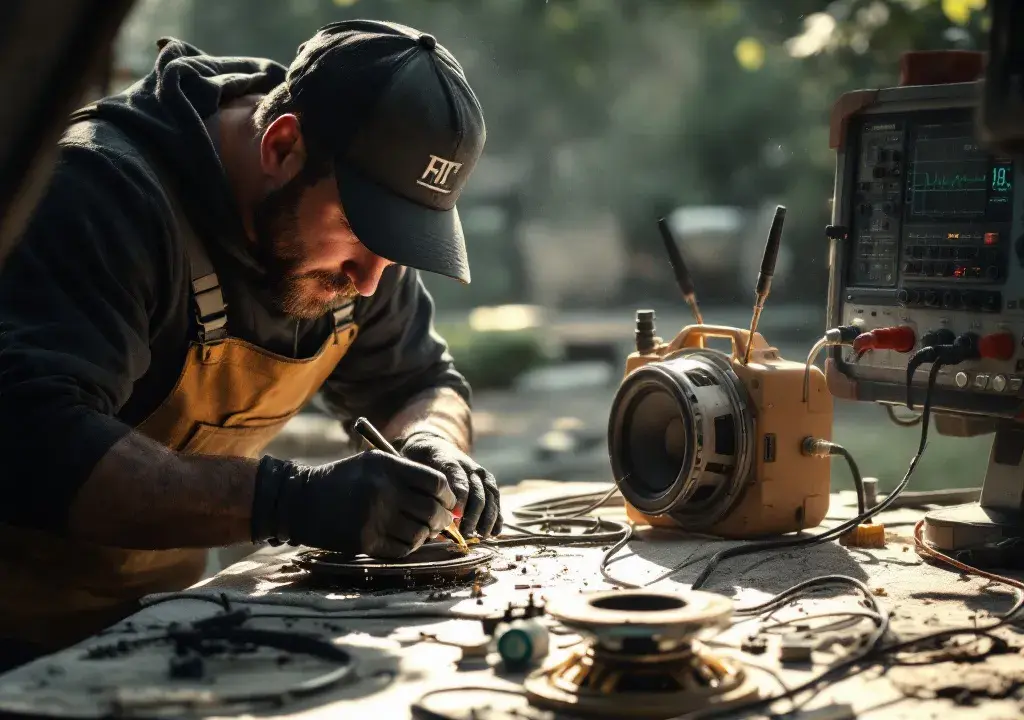
As someone who has been installing and tuning car audio systems around La Verne for years, I’ve seen the same patterns pop up again and again when people bring in equipment from high-end brands like Mosconi. The promise of transparent sound and precise control is real, but local factors — heat, vehicle wiring histories, and speaker choices common around the Foothill Boulevard corridor — can create challenges that leave owners puzzled. In this piece I want to walk you through the most frequent issues we diagnose, explain why they happen, and describe practical, local solutions that actually work in La Verne.
Mosconi tech: what makes these systems different
What sets Mosconi gear apart is a focus on digital signal processing and compact, high-efficiency amplification designed for clean audio reproduction. That sophistication brings real benefits, but it also increases the importance of proper installation and system integration. A Mistake in grounding, a weak alternator, or an improperly matched speaker can undermine a great amp or processor. In a city like La Verne where many vehicles are older and often have aftermarket head units, getting the system to play as it should means paying attention to the electrical and acoustic environment as much as the hardware itself.
Common power and grounding problems we see locally
One recurring issue is poor grounding. Corroded chassis points or paint between the ground strap and the vehicle body cause elevated noise floor and intermittent operation. Another is undersized power and ground cables run through tight engine bays without proper protection; this can cause voltage drop and thermal stress. La Verne’s summer heat can exacerbate these faults, raising resistance and prompting thermal protection circuits in MOSFET-based amps to trip. The local solution is simple in concept though it requires diligence: clean and verify grounding points, use the correct gauge cables, and route wires where they are protected from heat and abrasion.
Configuration and firmware — the surprises that hide in plain sight
Mosconi units often include advanced DSP and firmware that must be updated and configured to match each vehicle. I frequently find systems where default crossover points or time-alignment settings were never adjusted after installation. Sometimes a unit shipped with older firmware exhibits strange behavior with specific head units or signal processors. The fix is methodical: update firmware using the manufacturer’s tool, confirm input sensitivity and crossover behavior, and perform real-world listening with measurement tools in the vehicle. In La Verne we often tune with windows up and down to simulate typical listening conditions on local streets and highways.
Speaker compatibility and load issues
Another frequent cause of trouble is the mismatch between amp channels and speaker loads. Running low-impedance speakers on channels that expect a different load can lead to clipping and heat-related shutdowns. Additionally, coaxial speakers with complex passive networks can confuse crossover settings if the DSP is not adjusted accordingly. When clients bring in systems that sound harsh or lack bass control, we measure impedance curves and modify crossover points and equalization to balance the system without overdriving any component.
Environmental factors unique to La Verne
La Verne’s climate and the typical driving environment matter. Dust accumulation, salt from coastal trips, and ambient daytime heat affect connectors and speaker surrounds. We take a preventive approach: protect vulnerable connections with dielectric grease, secure equipment away from direct heat sources, and advise on enclosure ventilation for installations in closed trunks. These small steps reduce failure rates and keep the DSP and amplifiers performing reliably.
Troubleshooting tools and techniques I use
My diagnostics start with a thorough visual and electrical inspection, followed by measuring voltage at idle and under load, and then moving to spectrum analysis and time-domain measurements using in-car microphones. Listening tests remain essential, but the combination of measurement and listening allows us to isolate whether an issue is electrical, mechanical, or configuration-related. When components are healthy but the sound is off, re-running a tuning session and saving a vehicle-specific profile usually restores the system to its potential.
Local installation practices that avoid recurring problems
Over the years we’ve refined installation methods that reduce surprises. That includes isolating sensitive electronics from heat sources, mounting amplifiers with airflow, using solid double-sided terminals for power connections, and always taking the time to document system settings. When you invest in high-performance gear, a careful installation and a follow-up tuning session in the days after installation are the difference between a system that merely works and one that genuinely elevates your driving experience.
Why professional tuning matters with Mosconi
Because Mosconi units provide such detailed control, they reward careful tuning more than most mass-market amplifiers. A professional ear combined with measurement tools can coax superior staging, clean bass, and natural midrange out of a setup that sounded flat from a stock configuration. We tune systems for common La Verne listening habits — commuting on Foothill Boulevard, weekend drives into the foothills, and local traffic patterns — so the result is usable and enjoyable every day.
FAQ
Q: How often should I update my Mosconi firmware?
A: Firmware updates are recommended whenever Mosconi publishes a relevant fix or new feature, or when a new head unit or processor is installed. Updates can resolve compatibility issues and improve system stability.
Q: My amp overheats only after long drives. What can I do?
A: Overheating is often related to ventilation, wiring gauge, or speaker load. Improving airflow around the amp, verifying cable sizes, and checking speaker impedance under load will usually identify the root cause.
Q: Will changing speakers require retuning the DSP?
A: Yes. Any change in speaker characteristics — size, sensitivity, or enclosure type — will alter the system response and should be followed by a tuning session to optimize crossovers and equalization.
Ready to get your system sounding its best?
If you’re in La Verne and struggling with integration or tuning, bring your vehicle in and we’ll diagnose it together. We work hands-on with Mosconi hardware daily and can walk you through a step-by-step plan to stabilize performance and extract the sound quality you expected when you bought the gear. Whether it’s a grounding revision, firmware update, or a full tuning session, we’ll get you back on the road enjoying precise, musical results. Contact us to schedule a visit and start hearing the difference.
Audio Dreams
1175 Foothill Blvd, La Verne, CA 91750, United States
Phone: +1 (909) 593-3335