

Mosconi Maintenance Essentials for La Verne California Vehicles
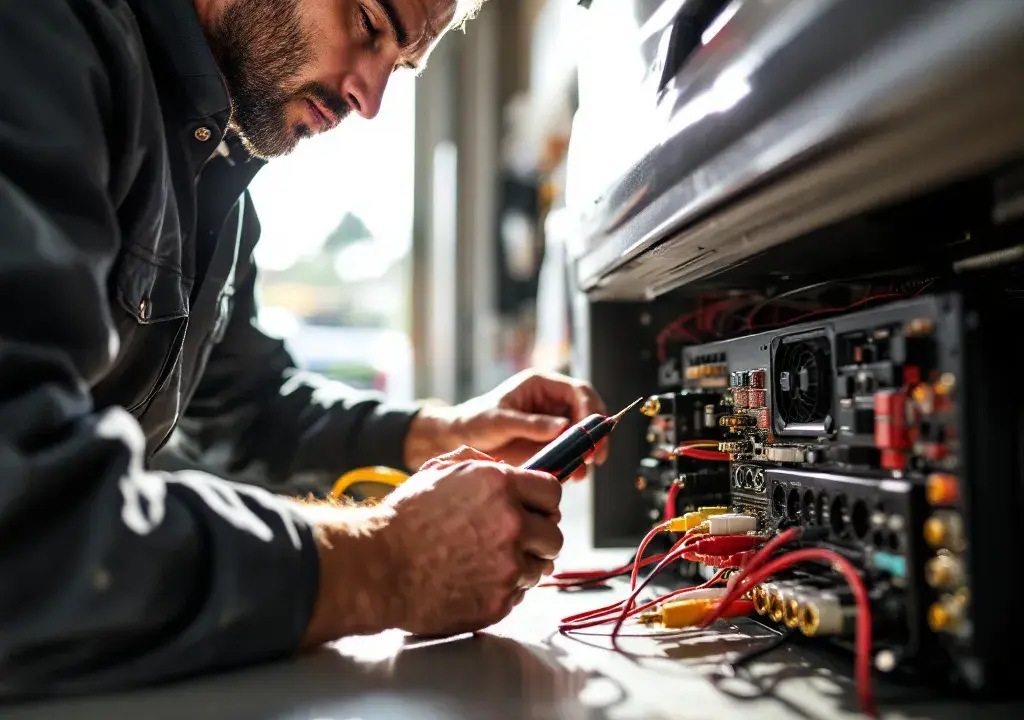
As a La Verne car audio installer who’s worked on everything from daily commuters to weekend show cars, I’ve learned that the right amplifier and electronics need careful maintenance to deliver consistent performance. When clients ask about the best way to keep high-end components in top shape, one name comes up again and again: Mosconi. In this introduction I’ll walk you through practical, local-minded maintenance essentials to protect your investment and keep your system sounding great on Foothill drives or long freeway runs.
Understanding Mosconi components and why maintenance matters
Mosconi is known for precision engineering in amplifiers and digital processors, and that level of refinement pays dividends — but it also means care matters. Heat, vibration, and inconsistent electrical supply are the three silent culprits that shorten component life. In La Verne’s warm climate, amplifiers mounted under seats or in trunks can run hotter than you’d expect. Proper mounting, good ventilation, and periodic visual inspections reduce stress on internal components and help maintain the clarity and headroom Mosconi gear delivers. I always recommend a setup that balances convenience with access: you’ll thank yourself when you need to check connections or adjust crossover settings down the road.
Routine checks and what to look for
Start with the basics and work toward specifics. Confirm that power and ground connections are secure, free from corrosion, and using conductors sized for your system demand. Inspect speaker leads and RCA connections for wear and snug fits; loose or oxidized contacts show up immediately as noise or loss of detail. For Mosconi amplifiers and processors, listening tests at moderate volumes reveal how well the unit is operating — distortion, intermittent silence, or harshness are early warning signs. Keep an eye on fuse holders and distribution blocks as well; they often take a beating in custom installs and can create issues that mimic component failure.
Thermal management and installation best practices
One of the most overlooked aspects of amplifier longevity is thermal management. Mosconi units are compact and efficient, but they still need airflow when tucked into tight cavities. Avoid installing amplifiers directly against dense surfaces without some clearance. If an amp is under a seat, consider insulating it from direct heat sources and providing an opening for air to circulate. Use vibration-damping materials when mounting to avoid micro-movements that stress solder joints. These seemingly small choices during installation significantly reduce failure modes and preserve the sonic performance you expect from premium gear.
Firmware, settings, and preserving sonic integrity
Modern processors and digital amplifiers rely on firmware and precise configuration. Periodically check for manufacturer firmware updates and work with a trusted installer to apply them when appropriate. Back up your tuned settings so you can restore optimal performance after any work or battery disconnections. When adjusting gains and crossovers, use calibrated measurements rather than guessing by ear — this avoids overdriving channels and keeps distortion low. I often log settings and notes for each vehicle I’ve worked on in La Verne so return visits are faster and more accurate.
Mid-article note on sourcing and support
For genuine parts, service guidance, and documented specs that match what I describe here, you’ll want to refer to trusted resources and dealer support for brand-specific advice. If you’re curious about the particular models I recommend for compact installs or multi-channel systems, take a look at what Mosconi offers and then bring your vehicle by for a hands-on consultation. Local installers can help match model choices to your cabin acoustics and electrical system to avoid mismatches that cause premature wear.
Common problems and how to diagnose them quickly
Most service calls fall into a few predictable categories: loose wiring, poor grounding, heat-related clipping, and improper gain staging. A quick voltage check at the battery and amplifier, visual inspection for frayed speaker leads, and a controlled listening test often reveal the culprit. If a Mosconi amplifier trips protection, document the conditions (temperature, recent audio levels, and installation location) before attempting a reset. That information helps technicians determine whether the issue is installation related or indicates a deeper component problem.
FAQ
Q: How often should I have my Mosconi system inspected?
A: For most daily drivers in La Verne, an annual inspection is a good rule of thumb. If you drive hard, attend car events, or have frequent high-volume sessions, consider a semi-annual check to catch wear earlier.
Q: Can I perform maintenance myself or should I use a pro?
A: Simple checks like cleaning connections, inspecting wiring, and ensuring ventilation are reasonable DIY tasks if you’re comfortable with basic tools. Anything involving firmware, significant rewiring, or diagnosing intermittent electrical issues is best handled by a trained installer to avoid accidental damage.
Q: What signs mean an amplifier is failing versus just needing adjustment?
A: Persistent noise, audible distortion at low to moderate volumes, and repeated protection trips after resets suggest hardware issues. If problems only occur at extreme volumes or after a battery disconnect, start with settings and wiring before assuming failure.
When you want to keep Mosconi gear performing like the day it was installed, local know-how and routine care go a long way. Whether you need an inspection, a tuning session, or help with a tricky installation I can walk you through practical steps and perform hands-on service. Reach out or stop by to discuss your goals and protect your investment with professional attention — and see our recommended options from Mosconi during your appointment.
Audio Dreams
1175 Foothill Blvd, La Verne, CA 91750, United States
Phone: +1 (909) 593-3335